
There’s an undeniable charm in the simplicity of poached salmon, especially when it comes together in just 15 minutes. As I meticulously place the salmon fillets into the simmering poaching liquid, I can hardly wait for that delicate, flaky texture to emerge. The gentle infusion of dill, honey, and a hint of white vinegar creates a dish that’s not only healthy but also bursting with flavor. It’s a meal that evades the boredom of fast food and promises to impress your guests, all without requiring culinary expertise.
Maybe you had a long day or perhaps you want to treat yourself without the fuss—this elegant poached salmon recipe is the answer. Serve it hot with a squeeze of lemon, and you’ll have a gourmet experience right at home. Let’s dive into this quick and delightful recipe that’s perfect for both busy weeknights and special occasions!

Why will you love Poached Salmon?
Quick Preparation: This recipe takes just 15 minutes from start to finish, fitting perfectly into your busy lifestyle.
Flavorful Infusion: The combination of dill, honey, and white vinegar creates a delightful blend that’s both refreshing and satisfying.
Healthy Choice: With around 260 calories per serving and 34g of protein, this dish is nutritious without sacrificing taste.
Elegant Presentation: Impress your guests with a dish that looks and tastes gourmet, all made easily in your kitchen.
Versatile Serving: Pair it with steamed veggies, a fresh salad, or incorporate leftovers into other meals like sandwiches for added convenience.
Minimal Skills Required: Even novice cooks can master this elegant dish, making it a go-to for delightful weeknight dinners or special occasions.
Poached Salmon Ingredients
For the Poaching Liquid
• White Vinegar – Adds acidity to enhance the salmon’s flavor; substitute with lemon juice if needed.
• Honey – Provides a touch of sweetness to balance the vinegar; maple syrup can be a vegan alternative.
• Kosher Salt – Essential for seasoning; sea salt is a good alternative.
• Water – Acts as the poaching liquid; ensure enough to submerge the salmon lightly.
For the Salmon
• Salmon Fillets (6 ounces each) – The primary protein; skin-on fillets retain flavor and moisture best.
• Fresh Dill – Imparts a fresh herbal note; can be substituted with parsley or tarragon for variation.
• Whole Peppercorns – Adds spiciness; crushed black peppercorns work if unavailable.
• Bay Leaf – Provides depth of flavor; it’s optional if not on hand.
For Garnishing
• Cracked Black Pepper – Adds a finishing touch of flavor; adjust to taste.
• Lemon Wedges – Enhance taste when serving; a squeeze of lemon brightens the dish beautifully.
How to Make Poached Salmon
-
Prepare the Poaching Liquid: In a sauté pan, combine 2 tablespoons of white vinegar, 1 tablespoon of honey, 2 teaspoons of kosher salt, and enough water to submerge the salmon fillets about 1/4 of the way up. Whisk until well mixed.
-
Add Salmon: Gently lower the salmon fillets into the pan, ensuring they’re arranged in a single layer. Add more water to cover them just barely.
-
Season: Scatter fresh dill, whole peppercorns, and the bay leaf over the salmon fillets, allowing the ingredients to infuse their flavors into the poaching liquid.
-
Heat: Bring the liquid to a gentle boil over medium-high heat. Once boiling, reduce to a steady simmer to cook the salmon evenly without toughening it.
-
Cook: Simmer the salmon for about 2 minutes. Use an instant-read thermometer to check for doneness; the internal temperature should be around 135-140°F. If needed, cook for an extra 1-2 minutes while ensuring you do not overheat.
-
Remove & Rest: Carefully lift the salmon out of the poaching liquid using a spatula and place it on a plate. Cover it with foil and let it rest for about 4 minutes before serving to retain moisture.
-
Serve: Enjoy the poached salmon hot, garnished with extra dill, a sprinkle of cracked black pepper, and a squeeze of lemon for an added burst of flavor.
Optional: Serve with a side of your favorite steamed vegetables or a refreshing salad.
Exact quantities are listed in the recipe card below.
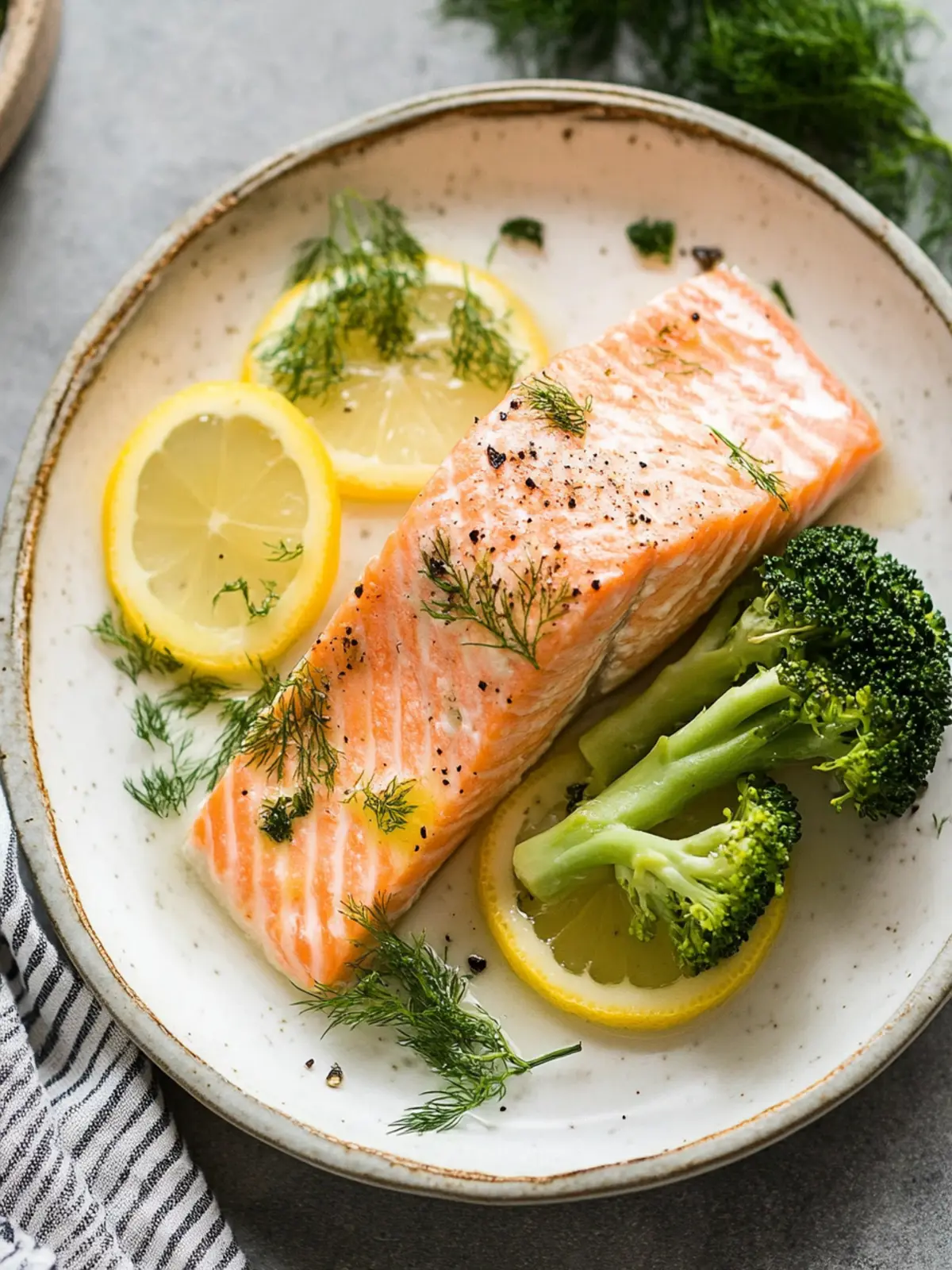
What to Serve with Poached Salmon?
Imagine a beautifully crafted meal that delights the senses and elevates your dining experience—this is what pairing perfectly with poached salmon can achieve.
-
Steamed Asparagus: The vibrant green spears provide a nice crunch and a fresh, earthy contrast to the tender salmon. Drizzle with lemon for an extra zing!
-
Garlic Mashed Potatoes: Creamy and buttery, these mashed potatoes are incredibly comforting and balance the lightness of the fish beautifully. The garlic adds a lovely kick.
-
Quinoa Salad: A light and nutritious option, flavored with herbs and diced veggies, this salad offers an appealing contrast in texture and brings a healthy boost to your meal.
-
Lemon Dill Rice: Fluffy rice infused with lemon and herbs mirrors the flavors of the poached salmon, creating a harmonious dining experience that’s both bright and satisfying.
-
Roasted Brussels Sprouts: Crispy on the outside and tender inside, the nutty flavor of Brussels sprouts pairs well with salmon. Try tossing them with balsamic glaze for added depth!
-
Chilled White Wine: A glass of Sauvignon Blanc or Pinot Grigio can elevate your meal even further, providing a refreshing contrast to the rich flavors of the salmon without overpowering it.
-
Chocolate Mousse: Finish off the meal on a sweet note! This light and airy dessert is a perfect way to balance the savory elements and leave your guests feeling indulged.
-
Mixed Green Salad: A fresh mix of greens tossed with a light vinaigrette offers a crisp, refreshing side that brightens up the meal and cleanses the palate between bites.
Each pairing complements the delicate nature of poached salmon while enhancing your overall culinary experience!
Poached Salmon Variations
Feel free to personalize this dish to suit your taste or dietary needs, making it truly your own.
-
Herb Swaps: Replace fresh dill with thyme or cilantro for different flavor profiles that surprise your palate. Each herb brings its unique aroma and taste to the dish.
-
Spicy Kick: Add a pinch of red pepper flakes or sliced jalapeños to the poaching liquid for a touch of heat. Spicing things up can transform the elegance into a bold culinary adventure.
-
Citrus Zest: Incorporate lemon or orange zest into the poaching liquid for an extra layer of brightness. The citrus essence will awaken your senses with every delightful bite, refreshing your experience.
-
Fish Variety: Swap out salmon for poached trout or tilapia for a different texture and taste. Each fish offers a unique flavor, ensuring that your meals remain exciting and varied.
-
Vegan Alternative: Use firm tofu instead of salmon, cooking it similarly in the poaching liquid. This plant-based option offers a satisfying dish that’s friendly for vegans while maintaining elegance.
-
Wine Infusion: Substitute half of the water with white wine for a rich, complex flavor. The depth of the wine elevates the entire dish from simple to sophisticated.
-
Savory Broth: Use vegetable or chicken broth instead of water for poaching to add an extra flavor dimension. A well-seasoned broth enhances the overall taste of the salmon beautifully.
-
Creamy Sauce: Transform the dish by serving the poached salmon with a dill cream sauce instead of just garnishing. The creaminess provides a luxurious outcome that feels especially indulgent.
Expert Tips for Poached Salmon
-
Use a Thermometer: Ensure the salmon is perfectly cooked by using an instant-read thermometer; aim for 135-140°F for ideal tenderness.
-
Simmer Gently: Avoid boiling the liquid vigorously to prevent the salmon from toughening. A steady simmer is key for a delicate texture.
-
Rest the Salmon: Allow the poached salmon to rest for a few minutes after cooking. This helps to retain moisture and enhances flavor.
-
Versatile Herbs: Feel free to replace dill with other herbs like tarragon or cilantro for a unique twist in your poached salmon dish.
-
Maximize the Flavor: Experiment with variations by infusing the poaching liquid with a splash of white wine or vegetable broth for richer taste.
Storage Tips for Poached Salmon
- Fridge: Store leftover poached salmon in an airtight container in the refrigerator for up to 2 days to maintain freshness and prevent odor absorption.
- Freezer: For longer storage, you can freeze poached salmon wrapped tightly in plastic wrap and then in aluminum foil for up to 3 months.
- Reheating: Gently reheat the poached salmon in a skillet over low heat, adding a splash of water to keep it moist, or enjoy it cold in salads.
- Serving Suggestions: If mixing leftovers into dishes, shred or flake the salmon for easy incorporation into salads, sandwiches, or pasta.
Make Ahead Options
These elegant poached salmon fillets are perfect for meal prep, allowing you to enjoy a gourmet dish with minimal effort during busy weeknights! You can prepare the poaching liquid and refrigerate it in an airtight container for up to 3 days in advance, preventing flavors from dulling. Simply whisk together the vinegar, honey, salt, and water, cover, and store it until you’re ready to cook. When you’re set to serve, add the salmon to the poaching liquid and follow the cooking instructions, simmering until perfectly tender. This way, you can have a delightful meal ready to enjoy without any last-minute fuss, making your evenings stress-free and delicious!
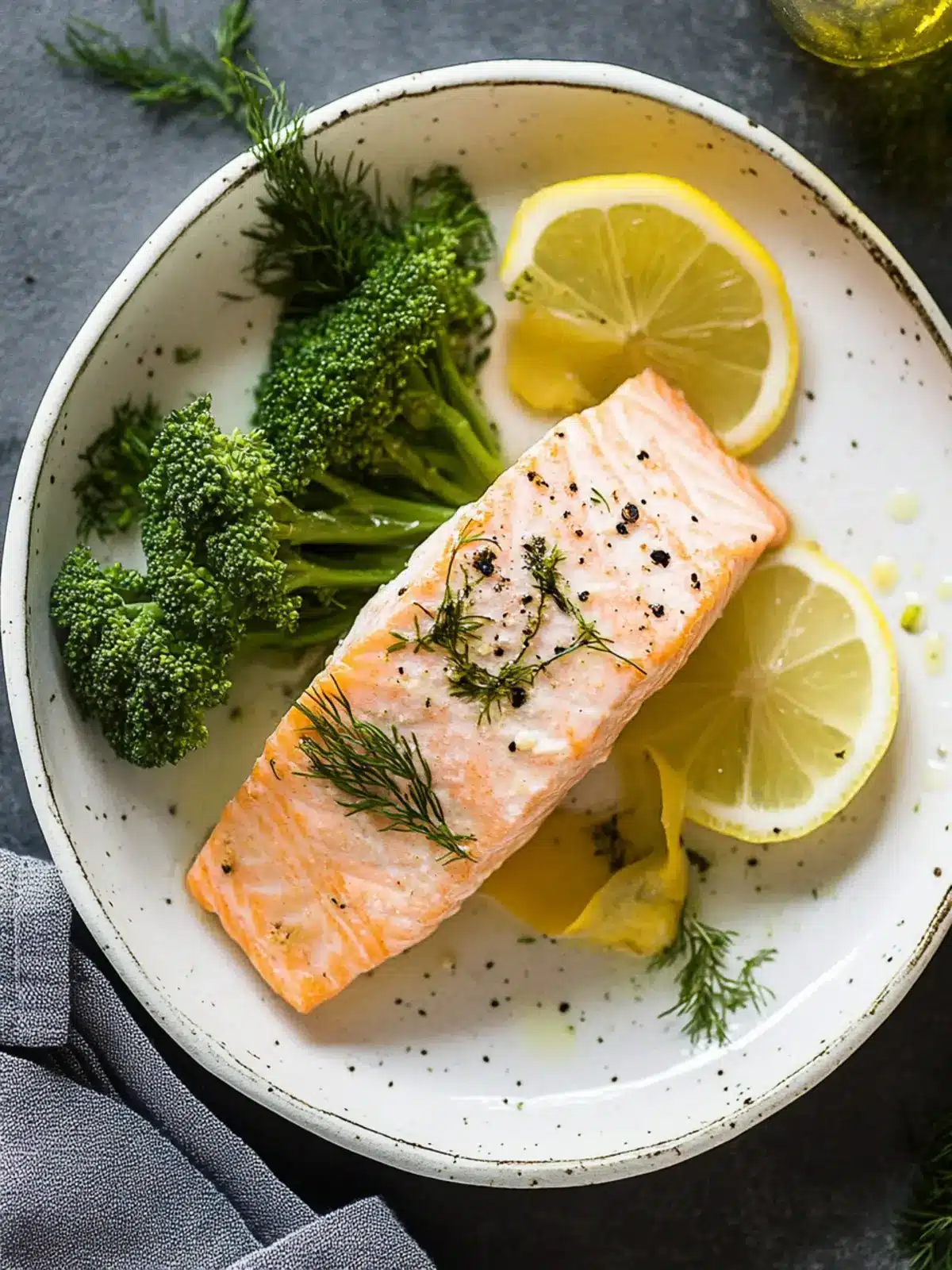
Poached Salmon Recipe FAQs
What type of salmon is best for poaching?
Absolutely! Skin-on salmon fillets are ideal for poaching as they help retain flavor and moisture during the cooking process. Look for fresh fillets with a bright color and no dark spots. For a sustainable option, consider wild-caught salmon for the best taste and health benefits.
How should I store leftover poached salmon?
You can store leftover poached salmon in an airtight container in the refrigerator for up to 2 days. Be sure to let it cool before sealing the container to maintain its texture. If you plan to keep it longer, it’s best to freeze it for up to 3 months, wrapped tightly in plastic wrap and aluminum foil.
Can I freeze poached salmon?
Yes! To freeze poached salmon, first let it cool completely. Wrap it tightly in plastic wrap, followed by a layer of aluminum foil, ensuring there are no air pockets. This method helps prevent freezer burn. When ready to use, thaw it overnight in the refrigerator for the best texture and flavor.
What should I do if my salmon is overcooked?
Oh no! If your salmon ends up overcooked, don’t despair. To help alleviate some dryness, try flaking it into pieces and mixing it with a dressing or sauce, such as a yogurt or tartar sauce. A squeeze of lemon can also help revive its flavor. Next time, use an instant-read thermometer to avoid this issue—cooked salmon should be at about 135-140°F.
Can pets eat poached salmon?
Very! Cooked salmon is generally safe for pets, but be sure to remove any seasoning, especially salt and spices, as these can be harmful to them. Also, make sure there are no bones left in the fish when serving it to your furry friends, as these could pose a choking hazard.
Are there any common allergies associated with salmon?
Yes, while salmon is a nutritious option, some individuals may have allergies to fish, including salmon. It’s important to be cautious when serving it to guests or family members who have known allergies. If someone has a fish allergy, consider offering an alternative protein source like chicken or tofu instead.
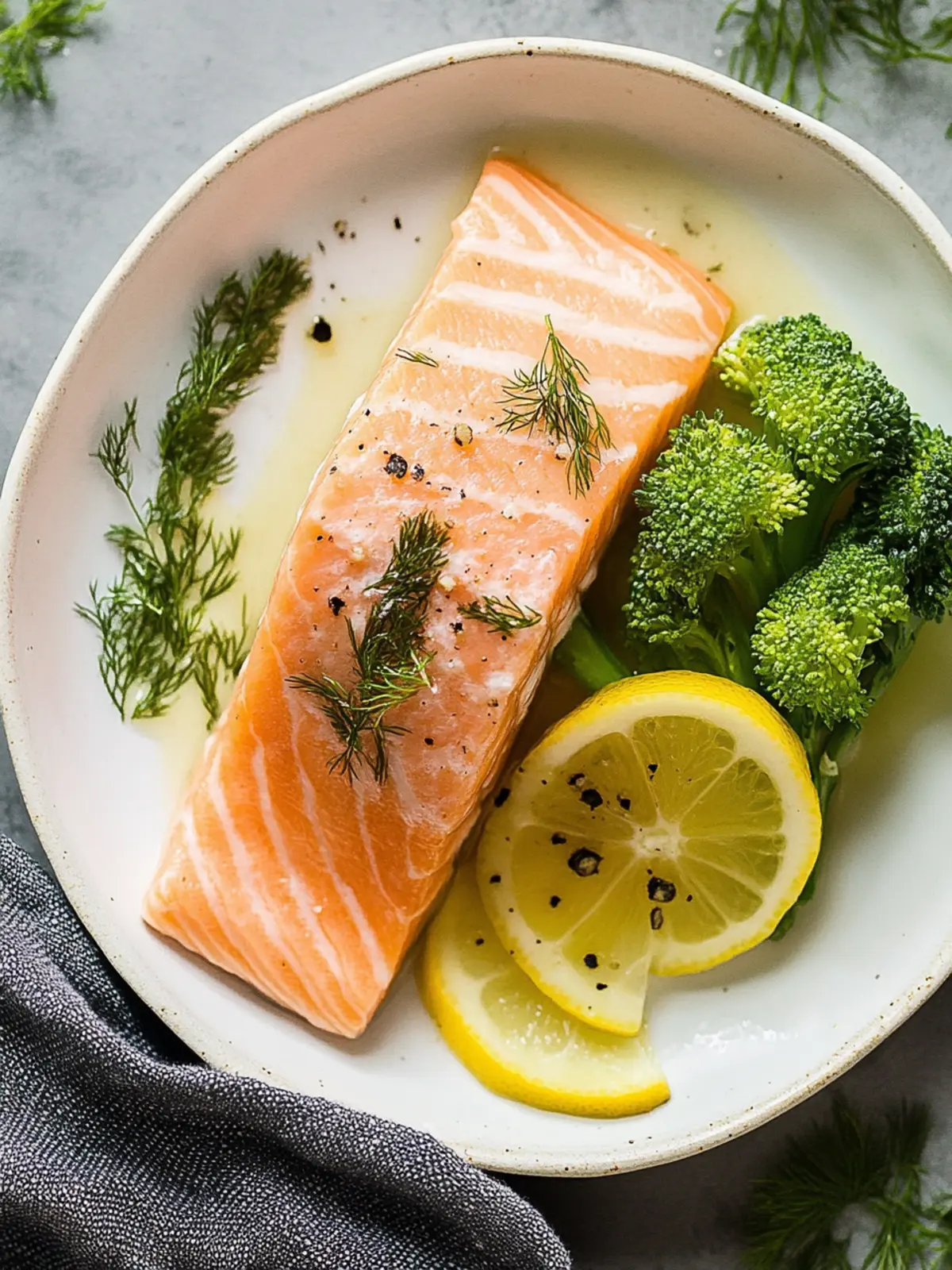
Elegant 15-Minute Poached Salmon That Will Impress You
Ingredients
Equipment
Method
- In a sauté pan, combine 2 tablespoons of white vinegar, 1 tablespoon of honey, 2 teaspoons of kosher salt, and enough water to submerge the salmon fillets about 1/4 of the way up. Whisk until well mixed.
- Gently lower the salmon fillets into the pan, ensuring they’re arranged in a single layer. Add more water to cover them just barely.
- Scatter fresh dill, whole peppercorns, and the bay leaf over the salmon fillets, allowing the ingredients to infuse their flavors into the poaching liquid.
- Bring the liquid to a gentle boil over medium-high heat. Once boiling, reduce to a steady simmer.
- Simmer the salmon for about 2 minutes. Use an instant-read thermometer to check for doneness; the internal temperature should be around 135-140°F.
- Carefully lift the salmon out of the poaching liquid using a spatula and place it on a plate. Cover it with foil and let it rest for about 4 minutes before serving.
- Enjoy the poached salmon hot, garnished with extra dill, a sprinkle of cracked black pepper, and a squeeze of lemon.